


Pelvic Health Physiotherapy
Pelvic floor symptoms are common but they are not something you have to put up with.
Pelvic Health Physiotherapy in Bath, Corsham & West. Kington
Helping women overcome leaking, prolapse, pelvic pain and postnatal concerns so they can exercise, move and live with confidence.
As a pelvic health physiotherapist (and mum of four), I understand how important it is to feel strong and capable in your body — especially when life is busy.
I offer specialist Pelvic Health physio, helping women understand their symptoms and move forward with confidence.
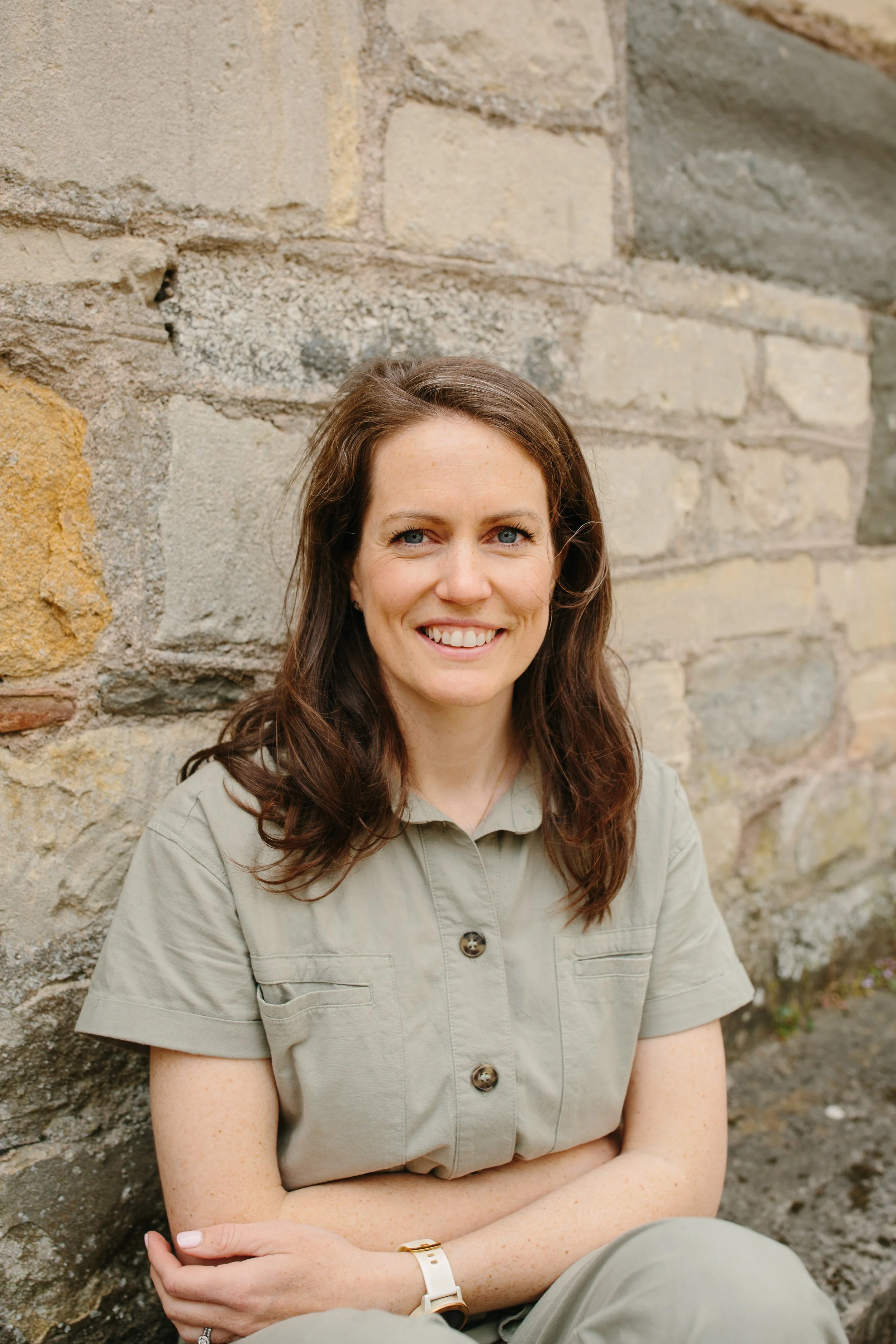
Pelvic floor symptoms are common. They are not something you have to put up with.
Whether you're leaking when you run, feeling heaviness, struggling with prolapse symptoms, recovering after birth or navigating the changes of perimenopause, specialist pelvic health physiotherapy can help you understand what's happening and create a plan to move forward with confidence.

Claire is amazing! I had a total, abdominal hysterectomy in January and set up a session with Claire beforehand for 6 weeks after the surgery. Best decision ever! I spoke to her before going into hospital and she was generous with her advice at this point. I have just seen her in person three times now, in total, and she has been a game changer. She is kind, extremely knowledgeable and professional, with excellent communication skills - nurturing in encouraging change, but super aware of what your body has gone through, and what you are dealing with emotionally. I was very active before surgery, so keen to get back to long walks, weight training, yoga, swimming and dance based classes as soon as I could. She listened with empathy and encouraged me to respect the process I was going through, lean into it, but was imaginative and resourceful in coming up with a pathway to making incremental changes and a programme of exercises to get me back to what I love. She has also helped me work on my scar management, and this advice and care has also resulted in me not being restricted in my movements. I have a plan now moving forwards, and know she is there for me if I need her. I wasn't really expecting to lose confidence physically in the way that I did. I think my instinct was to keep myself safe and still...I will always be so grateful that I found Claire, and her gentle pushing to get me back to myself. She is an exceptional practitioner :)
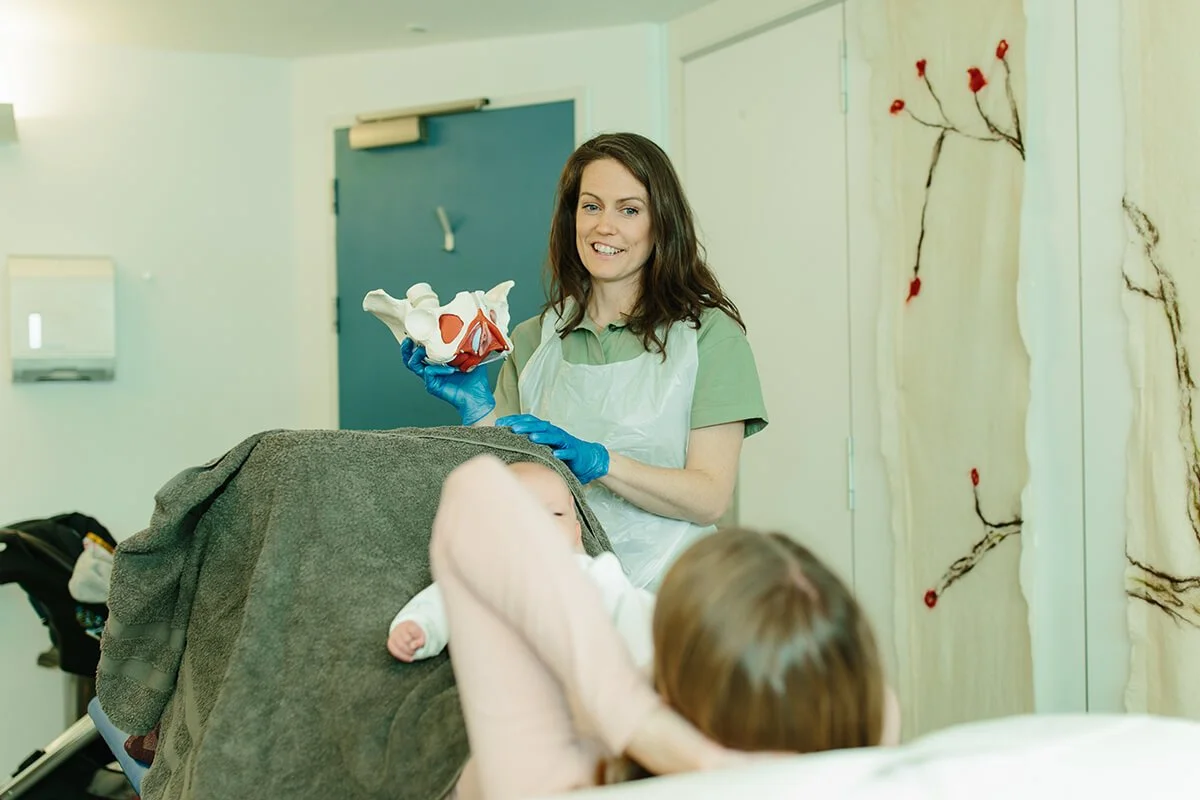
“ Hi, I'm Claire.
I'm a specialist pelvic health physiotherapist, Pilates instructor and mum of four.
For nearly two decades I've helped women overcome leaking, prolapse, pelvic pain and postnatal concerns so they can get back to exercising, working and living without constantly worrying about their symptoms.
My approach is practical, evidence-based and reassuring. No scare tactics. No judgement. Just a clear plan based on your goals”
Does this Sound Familiar?
You leak when you cough, run or jump
You feel pressure, heaviness or dragging vaginally
Your body still doesn't feel right after having children
You're nervous about returning to exercise
You've been told prolapse is "just part of ageing"
Sex feels uncomfortable
You're constantly looking for the nearest toilet
You've been doing pelvic floor exercises but nothing is changing
If you're nodding along, you're exactly the sort of woman I help every week.
“I can’t recommend enough! Claire is fantastic, very professional!”
— Julia
Conditions I treat:
Bladder & Bowel
leaking urine
urgency
overactive bladder
faecal incontinence
Pelvic Floor & Core
prolapse
abdominal separation
pelvic floor dysfunction
Pain
pelvic pain
painful sex
endometriosis
scar pain
Pregnancy, Postnatal & Menopause
pregnancy-related pain
postnatal recovery
menopause symptoms
return to exercise
My aim is to help you:
✔ Exercise without fear of leaking
✔ Feel confident in your body again
✔ Understand what's causing your symptoms
✔ Return to running, Pilates or the gym safely
✔ Reduce feelings of heaviness and pressure
✔ Enjoy sex comfortably
✔ Stop planning your day around toilets
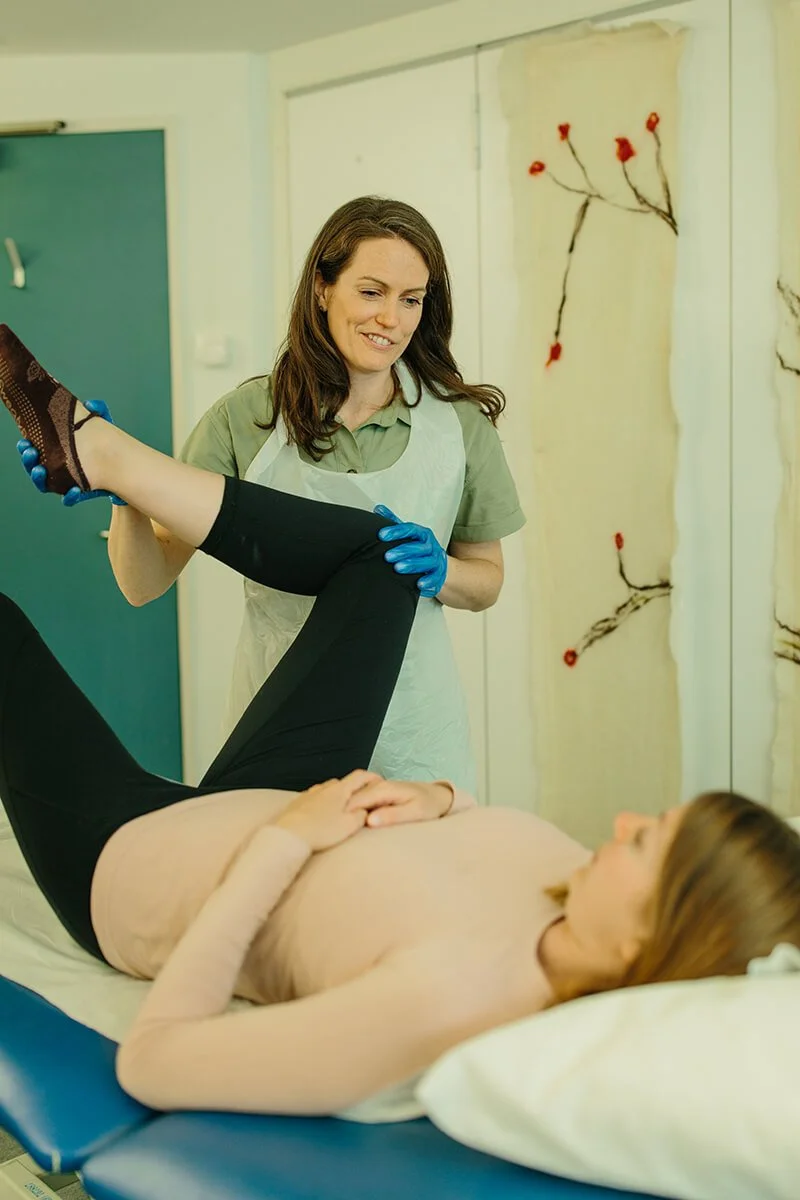
What happens at your appointment?
Discussion: Detailed history of your symptoms.
Assessment - This involves looking at your tummy muscles, posture, hips and spine and if you would like me to a vaginal assessment
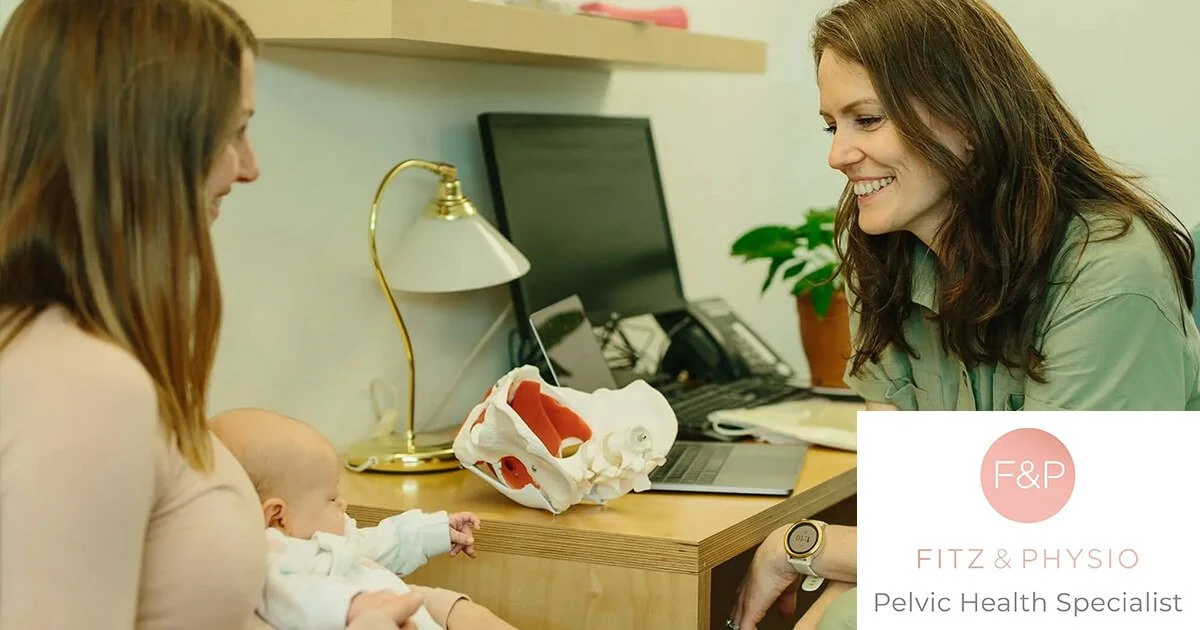
Explanation: Learn about your body.
Treatment plan
Next steps - leave with a plan and clear goals.
Frequently Asked Questions
-
No. An internal examination is never compulsory.
Your appointment will begin with a detailed discussion about your symptoms, medical history, lifestyle and goals. If an internal examination would provide useful information, I will explain exactly why I am recommending it and what it involves.
You are always in control and can decline or stop the examination at any point. Many women feel nervous beforehand, but most tell me afterwards that it was much less daunting than they expected
-
Wear whatever you feel comfortable in.
If your symptoms are related to exercise, running or sport, it can be helpful to bring clothing that allows you to move easily. During your assessment, I may ask you to perform simple movements such as squats, lunges, balance exercises or jogging on the spot to help me understand how your symptoms affect you.
-
This varies depending on your symptoms, goals and how long the problem has been present.
Some women only need one or two appointments to understand what is happening and start making progress. Others benefit from a series of sessions to build strength, improve symptoms and support a return to exercise.
Following your assessment, I will discuss my recommendations and create a plan that works for you.
-
Yes - it’s likely that something else is needed otherwise the problem would have been fixed.
-
Yes.
Hormonal changes during perimenopause and menopause can affect bladder function, pelvic floor symptoms, prolapse, sexual function and exercise tolerance.
Physiotherapy can help you understand these changes, optimise pelvic floor function, manage symptoms and maintain an active lifestyle during this stage of life.
-
Can physiotherapy help with prolapse?
Yes. Physiotherapy is often recommended as a first-line treatment for prolapse symptoms.
Treatment may include pelvic floor rehabilitation, breathing and pressure management strategies, exercise guidance, bowel advice and support with returning to activities you enjoy.
Many women are told that prolapse is something they simply have to live with. While physiotherapy cannot reverse every prolapse, it can often significantly improve symptoms, confidence and quality of life.
Ready to stop worrying about your pelvic floor?
Book a 60-minute assessment and leave with:
clarity about what's happening
answers to your questions
a personalised recovery plan
Book Your Appointment