

C-Section & Perineal Scar Therapy
C-Section & Perineal Scar Therapy
Specialist Scar Rehabilitation in Bath & West Kington
Pregnancy, birth and gynaecological surgery can leave lasting changes to the body — and that includes scar tissue.
Whether you've had a Caesarean section, an episiotomy, vaginal tearing or gynaecological surgery, scar tissue can sometimes continue to feel tight, sensitive, numb or restrictive long after the initial healing has taken place.
At FITZ & PHYSIO, I offer specialist scar rehabilitation to help improve the way your scar and surrounding tissues move and feel, while also considering the bigger picture — your abdominal wall, pelvic floor, movement and return to exercise.
Treatment may include hands-on scar therapy, rehabilitation and, for C-section and abdominal scars, LymphaTouch technology where clinically appropriate.
You don't have to be newly postnatal to have your scar assessed. It's never too late to work on a scar.
Why Scar Therapy Matters
Scar tissue is a completely normal part of the body's healing process. However, sometimes a scar and the tissues around it can become:
Tight or pulling
Raised or firm
Sensitive or painful
Numb or altered in sensation
Restricted or adhered to deeper layers of tissue
Uncomfortable during movement or exercise
This can occur with both C-section abdominal scars and episiotomy or perineal scars.
For some women, scar restriction may also be associated with difficulty comfortably using the abdominal muscles or pelvic floor, returning to exercise, sitting, intimacy or simply feeling confident in their body again.
Scar rehabilitation aims to improve tissue mobility, manage troublesome symptoms and help you feel more comfortable and confident moving again.
LymphaTouch Scar Therapy
I have invested in LymphaTouch, a specialist treatment device that can be used as part of C-section and abdominal scar rehabilitation.
LymphaTouch uses controlled negative pressure to gently lift the skin and underlying tissues rather than applying pressure down onto them.
This gives me another way of working with areas of tissue restriction and swelling and allows treatment to be carefully adjusted depending on the sensitivity of the area.
I use LymphaTouch alongside, rather than instead of, physiotherapy.
Your treatment may therefore combine LymphaTouch with hands-on scar techniques, movement, abdominal and pelvic floor rehabilitation and advice about what you can do yourself at home.
Not everybody needs LymphaTouch. I'll assess your scar first and use it when I feel it is appropriate for you.
C-Section Scar Rehabilitation
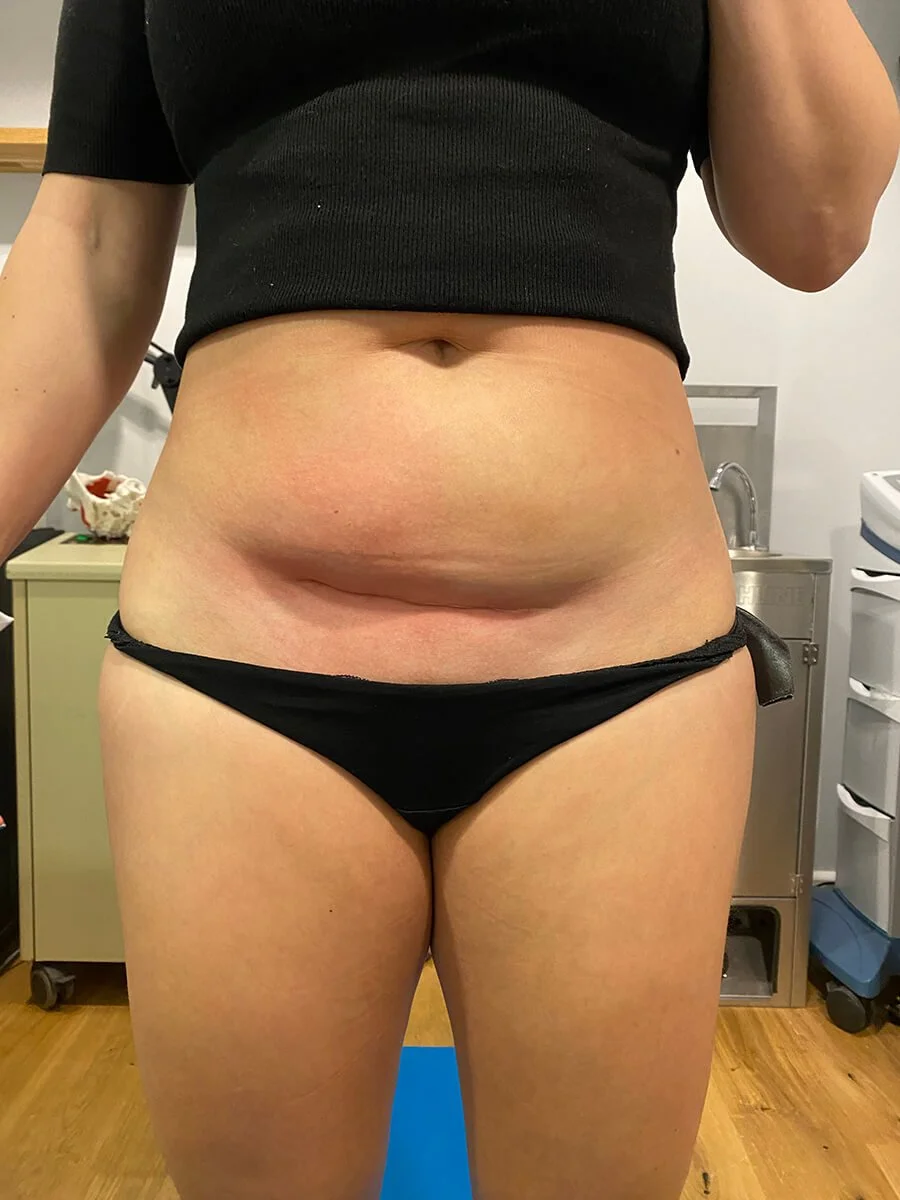
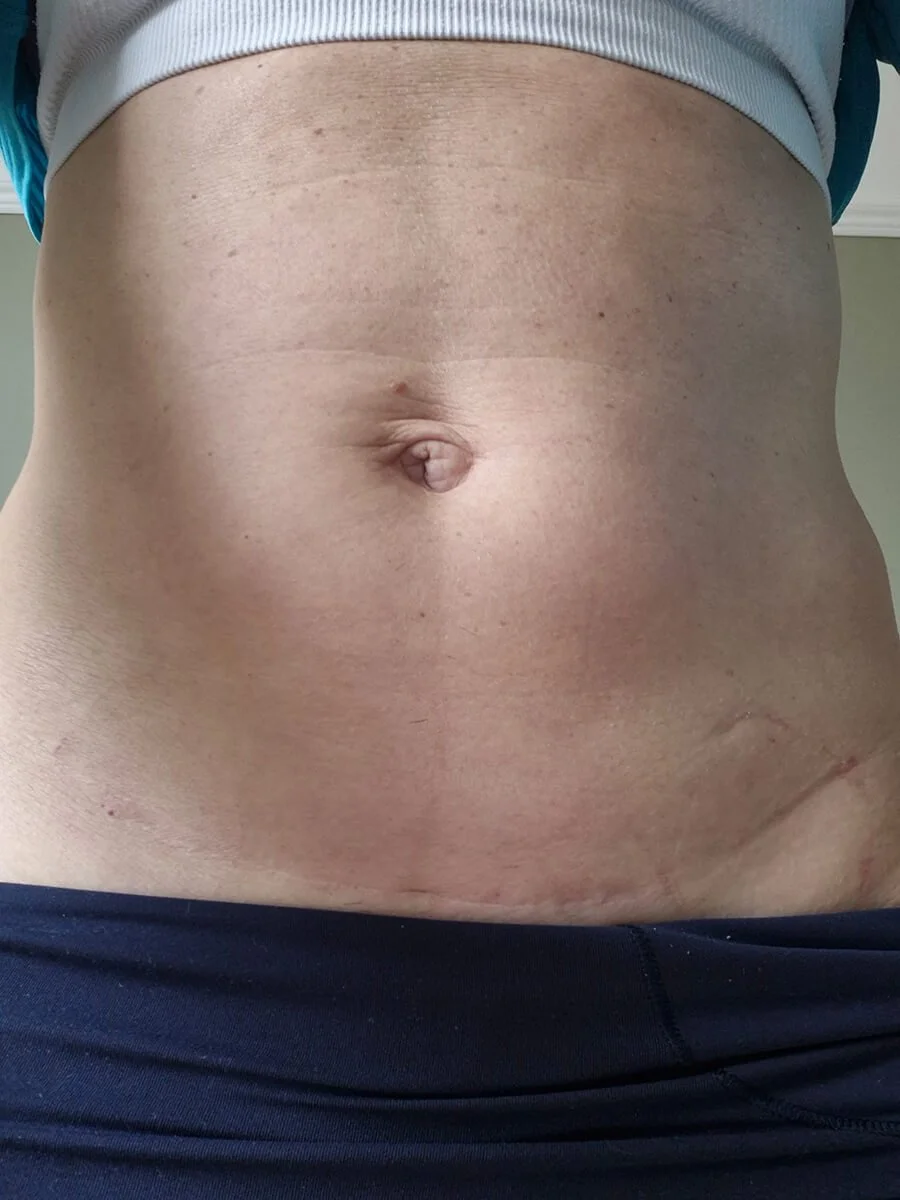
A C-section scar may look relatively small on the surface, but a Caesarean involves several layers of tissue underneath.
Those deeper tissues continue to heal long after the skin has closed.
You might notice:
Pulling or tightness around your scar
Tenderness or sensitivity
Numbness or altered sensation
A feeling that the scar is "stuck"
Swelling around the scar or lower abdomen
Discomfort when stretching, lifting or exercising
Difficulty reconnecting with your abdominal muscles
Concerns about returning to running, the gym or higher-level exercise
Or simply that your scar doesn't feel quite right
You don't need to have significant pain to benefit from an assessment. Some women simply want reassurance, advice about scar massage and guidance on rebuilding abdominal and pelvic floor strength following their C-section.
What happens at my appointment?
Your first scar therapy appointment is 60 minutes.
We'll start by talking about your birth or surgery, how your scar has healed, any symptoms you're experiencing and what you'd like to get back to doing.
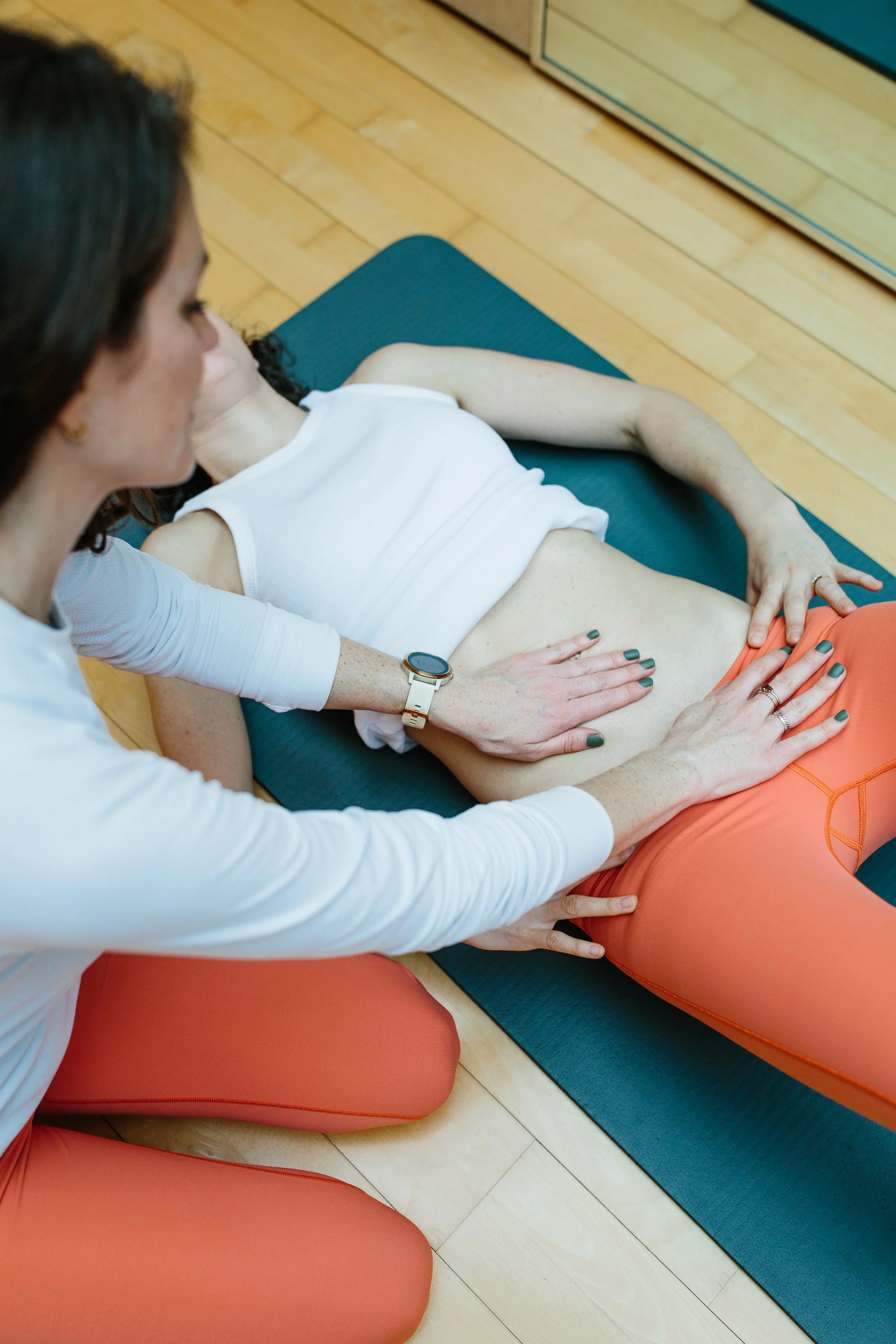
I'll assess your scar and the surrounding tissues and, where relevant, look at your abdominal wall, movement and pelvic floor function too.
Treatment can begin during your first appointment and may include hands-on scar mobilisation, LymphaTouch where appropriate, desensitisation techniques and rehabilitation exercises.
You'll also leave knowing what you can safely do at home to continue working on your scar between appointments.
what happens at your appointment?
1
Initial Scar Assessment & Treatment — 60 minutes | £110
LymphaTouch is included where clinically appropriate — there is no additional charge.
How much does my appointment cost?
2
Several factors can influence a C-section shelf, including scar and tissue mobility, swelling, abdominal wall function, body composition, and individual anatomy.
Scar rehabilitation may help where tissue restriction or swelling is contributing, but I wouldn't promise that treatment will remove or flatten a C-section shelf.
My assessment considers the scar alongside your abdominal wall, movement, and overall postnatal recovery, rather than focusing purely on appearance.
Can scar therapy help with my C-section shelf??
3
Can you help me return to running and exercise after C -section
4
Absolutely.
This is one advantage of seeing a pelvic health physiotherapist for scar rehabilitation.
We can look beyond the scar itself and assess your abdominal strength, pelvic floor, movement and overall readiness for exercise.
Whether you'd like to return to Pilates, lifting weights, running or another sport, we can incorporate that into your rehabilitation.
“I found Claire after I had reached the end of my NHS support. The personalised nature of her care has been invaluable, Claire is extremely caring and knowledgeable, and I'm so glad I found her. My scar is now moving pain free and isn't the tense tissue it used to be”
— Vicky
Episiotomy & Perineal Scar Therapy
Episiotomy or tear scars can sometimes lead to:
Tenderness or sensitivity
Pain during intimacy
Pelvic floor tension
Altered sensation
Fear of movement
Specialist perineal scar therapy is gentle and respectful, and sometimes involves an internal vaginal assessment
It may include:
Scar mobility techniques
Desensitisation work
Pelvic floor relaxation strategies
Guidance for safe self-massage
Education around tissue healing and recovery
These sessions are always paced according to your comfort, and internal techniques are only used with clear consent.
When Can You Start?
Scar massage should begin only once the wound is fully healed:
✔ The incision is completely closed
✔ No redness or discharge
✔ No signs of infection
For most women, this is around 6–8 weeks postpartum, though assessment can still be beneficial months or even years later.
Older scars can respond very well to treatment.
Scar work should never feel aggressive or painful — the aim is gradual, controlled improvement.
Support for your scar at home
Alongside in-clinic therapy, consistent home care can enhance results.
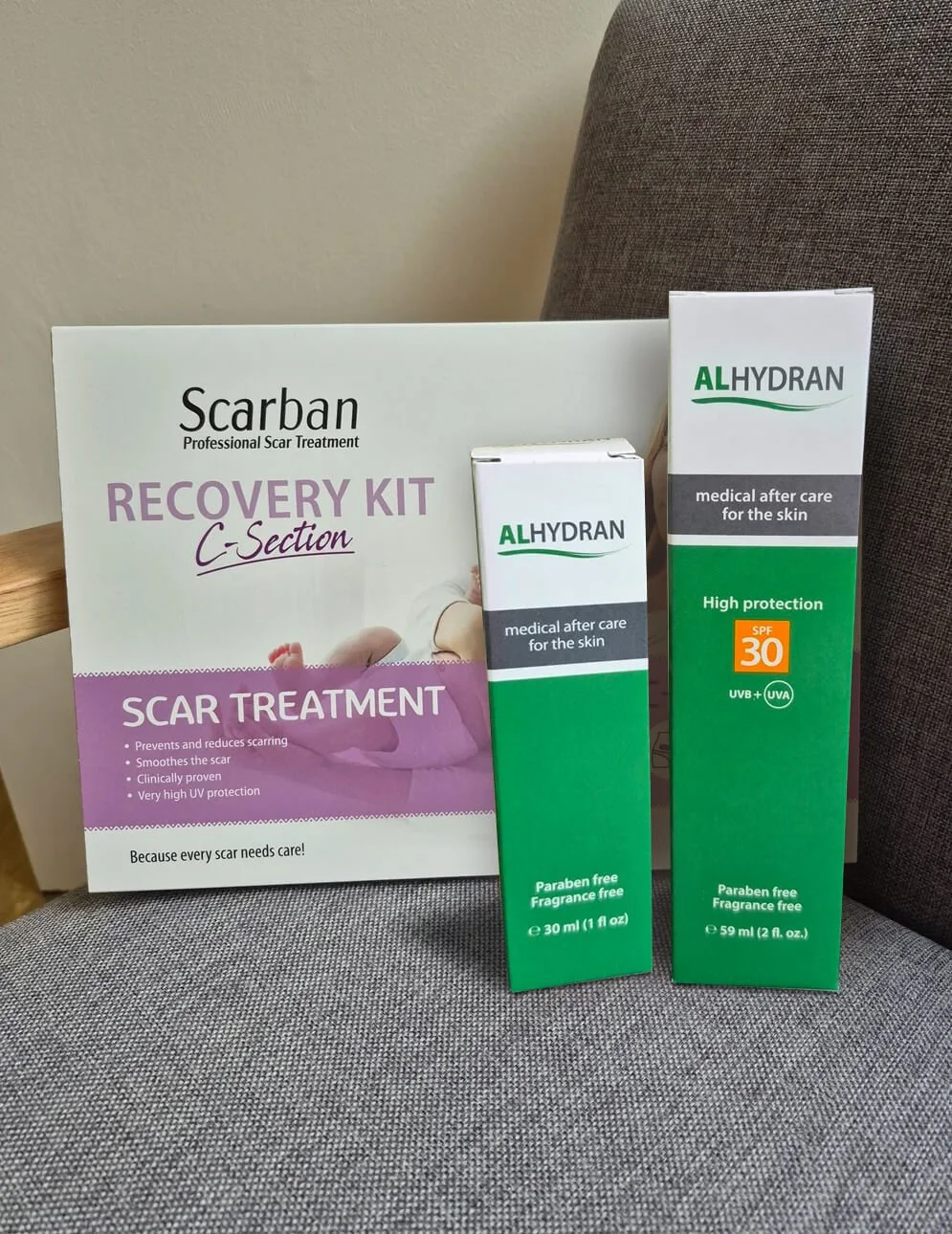
I recommend:
✔ Silicone Scar Strips
Medical-grade silicone supports healthy collagen formation and scar softening (for C-section scars).
✔ C-Section Massage Gel
A hydrating gel to support comfortable scar massage and tissue elasticity.
These products are available via the FITZ AND PHYSIO SHOP and can be used alongside guided scar therapy for best results.
Ready to have your scar assessed?
Whether your C-section, or Episomoty was eight weeks ago or eight years ago, you don't have to simply put up with a scar that feels tight, painful, numb, sensitive or restricted.
Come and have it assessed and we'll look at your scar as part of the bigger picture — your abdominal wall, pelvic floor, movement and the things you want to get back to doing.
C-Section Scar Assessment & Treatment
60 minutes | £110
Includes specialist physiotherapy assessment, treatment, rehabilitation advice and LymphaTouch where clinically appropriate.